ahh good deal! Hope they don’t mess with their formulas much, but the taste department…yeahhhh LOL
1 Like

Idk why I just laughed so hard at this…such a random comparison  I don’t mind the lemon at all really
In that case, let’s let bygones be bygones.
FWIW: Botanical extracts can be a toss up across the board. Companies do have the option of disclosing or not disclosing standardizations and ratios, but what’s interesting is that some companies can use a super potent extract and not claim how potent it is and vice versa use a full spec PE that’s pretty “meh”. They’ll both look the same on the label, so it makes it difficult to make a proper comparison.
3 Likes
C4 Smart Energy looks to have the same 200mg caffeine dose, without any beta-alanine. It will also include 250mg of Cognizin.
I’m not well versed enough to give much on Cognizin other than its in the nootropic field. I’m sure one of you will give some insight before I can edit this post! 
6 Likes
It’s CDP-Choline. It and Alpha-GPC are the “premium” choline sources, which seem to have more acute nootropic effects than your “normal” choline supplements/sources, which are generally healthy and good for maintaining cognition, but have mixed research on acute nootropic effects.
250mg CDP is a solid dose for sure, with research supporting it. I recall actually seeing one study that paired that dose with caffeine too I think. Generally, you hear CDP for nootropic purposes, GPC for PWO/exercise purposes, which is a fair rule of thumb based on the available research.
1 Like
“naturally flavored” hope they improved the flavoring… C4 Energy Natural Zero, tasted like total shit.
This could be a little hidden gem actually. A few years back there was a beverage company called Nawgan that had a very similar formula and it was so nice.
https://www.amazon.com/Nawgan-Lemonade-11-5-Ounce-Pack/dp/B00C7KJC46
2 Likes
Generally you do see companies list standardization for standardized extracts when it’s widely known what the actives the extract is standardized for are though. Like we KNOW if you have a standardized ashwagandha extract it’ll be standardized for withanolides, we know Bacopa will be standardized for bacosides, we know coleus forskohlii will be standardized for forskolin, etc. I HIGHLY doubt any of the above ingredients would be standardized for actives other than what I just mentioned. We know what those extracts should be standardized for, and what generally effective doses are for them, so not much is gained in keeping that information secret relative to making it known you have a solid dose of a solid extract IMO.
But with a more novel or unknown ingredient, I can certainly see justification for not disclosing standardization even if it is standardized, since maybe you did find a rare extract, or what the actives you want aren’t well known, and you don’t want someone to come in and source out the exact same extract you have since it’s unique to your product.
This industry is a big “copycat” industry for sure, so I do get wanting to try to protect your hard work. Several years ago a few products used Zembrin. Then a few years ago a few products started using the sceletium extract from Afrigetics, now known as KannaEase, although some products used it before it got that name, and now you see some form of sceletium in most PWOs or nootropics TBH.
Of course, those are just general rules of thumb, and you can sort of make educated guesses by looking at the label more and seeing what’s different. Like you listed standardizations for all your herbal ingredients, and not your Bacopa, so it was a pretty easy conclusion that the Bacopa wasn’t standardized. But if you didn’t disclose standardization for any of the extracts, it wouldn’t be so obvious of a guess, and, like you said, I’d have to wonder if any/all of the herbal ingredients are standardized or not; maybe you just decided not to list any of them, but seeing only one listed like that makes it more likely it is actually not standardized.
Trust me though, there’s plenty of raw material companies that don’t necessarily agree to the consensus of what extracts should be standardized for. I’ve seen plenty that just don’t make any sense to me, but may have applications elsewhere. Then there’s the possibility that you might be looking for an active that is in a fat-soluble fraction, yet only water-extracts of full-spec PE’s exist kinda leaving you cornered to settle on a PE because you know the actives you’re seeking aren’t available in other extracted forms. Usually, there’s quite a spectrum to choose from, but in some cases there isn’t.
Second, there’s several reasons why even huge companies won’t disclose standardization due to simply reducing the costs of testing. It’s cheaper to run a TLC test than it is to run an HPLC on a massive scale, and this reduces potential liabilities when it comes to compliance while also easing the amount of testing required from batch to batch. Everyone has their reasons for different things.
2 Likes
As I said, just a rule of thumb; a generalization.
It’s not always going to be correct, but it can help a consumer make some educated guesses. Hell, it did work in my educated guess regarding your product. But there’s another product launching soon where they didn’t list standardization on the label, due to legal advice because of the country they’re in IIRC, but are actually using standardized extracts, and disclosed said info when asked.
My main point is if you see several standardization listed, and then it’s not listed for a very common ingredient, then it’s likely that said ingredient isn’t standardized. But if none of them are listed, or the unlisted one is a more uncommon ingredient, then yeah, as you said, we just don’t know. You are right about that.
Good conversation here IMO!
You’re speaking on Vandal (VNDL) correct?
2 Likes
Yeah.
Ah, but this very thing gives this company an advantage. Since the extracts are not disclosed, the effects can have a “magic factor” since these actives are shrouded in mystery. This could be interpreted very similarly to a prop blend in that not all data is disclosed. Personally, I don’t care because they’re technically playing by the rules - fair ball, fair catch, play on.
1 Like
That’s a fair point. Targeted towards a different group of customers, who may be attracted to the “mystery,” while another consumer may be turned off by the potential of a sub-par extract without mention of disclosure. Risk/reward decision on the consumer’s part I suppose.
1 Like
I think what’s key here is that consumers (even though this forum is what I would call connoisseurs and not your basic consumers) is that people know the rules of the game. This makes full label disclosure a choice and not a requirement, and those who do are brave souls who potentially expose what was previously thought to be “trade secrets”, “proprietary information”, or even a competitive advantage. Funny though how we’re now in a world of alternative facts, fake news, and ugly truths. Suddenly, the truth (or some attempt at objectivity) seems to hold the most value.
2 Likes
Oh, for sure. I’m sure I don’t have to tell you how many people don’t even know the basics of labeling and what’s required. Like listing proprietary blend ingredients in descending order. Even just knowing that alone can allow you to kind of gauge what’s in a product, especially if caffeine is disclosed in the blend, or, even if it’s not, you can still gauge if the ingredients are in a logical order; like if Huperzine comes before citrulline, or caffeine comes before beta alanine, something is probably wrong. But then again, plenty of consumers have no idea what an effective dose is for those, or any, ingredients really, so even knowing the above rules wouldn’t tell them much I suppose.
2 Likes
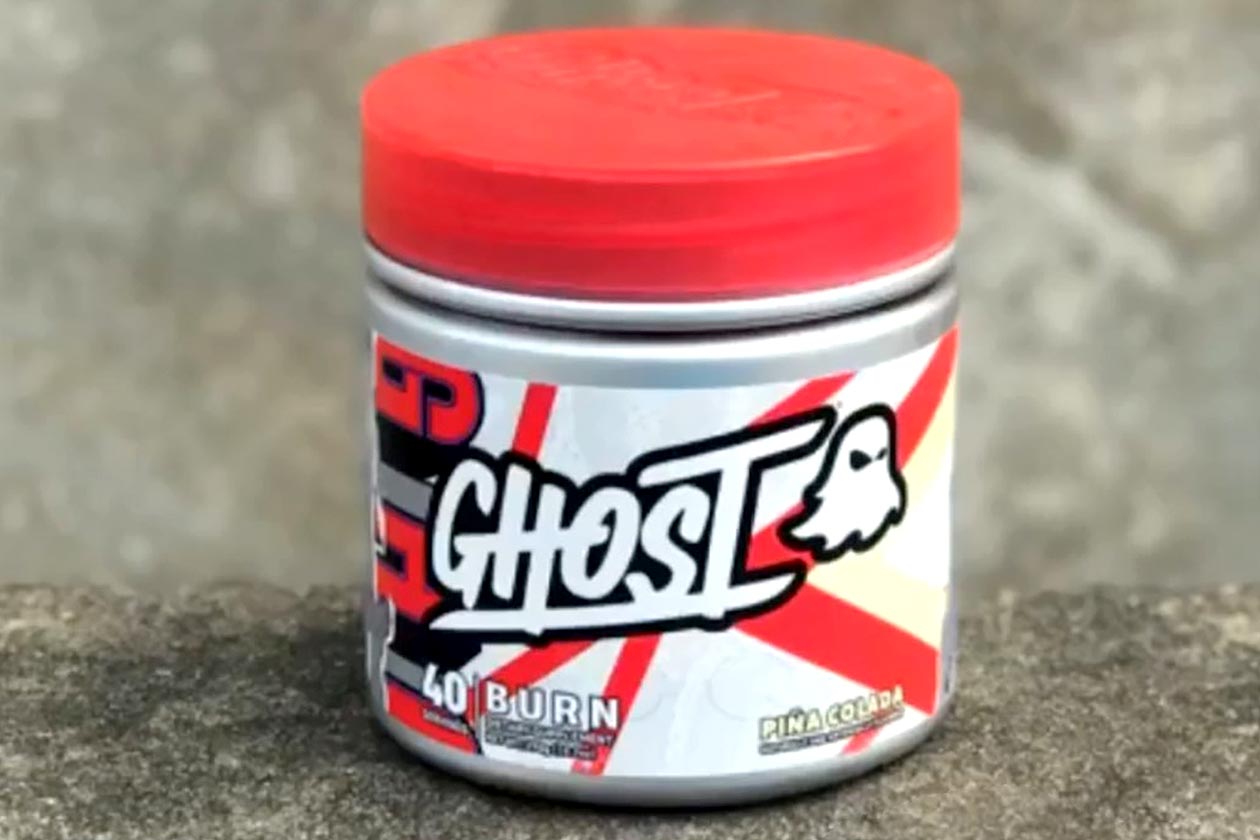
They had the idea of Jelly Donut too, but scrapped it already (new flavor friday from a few weeks ago). it is not 100% certain these will release.
2 Likes